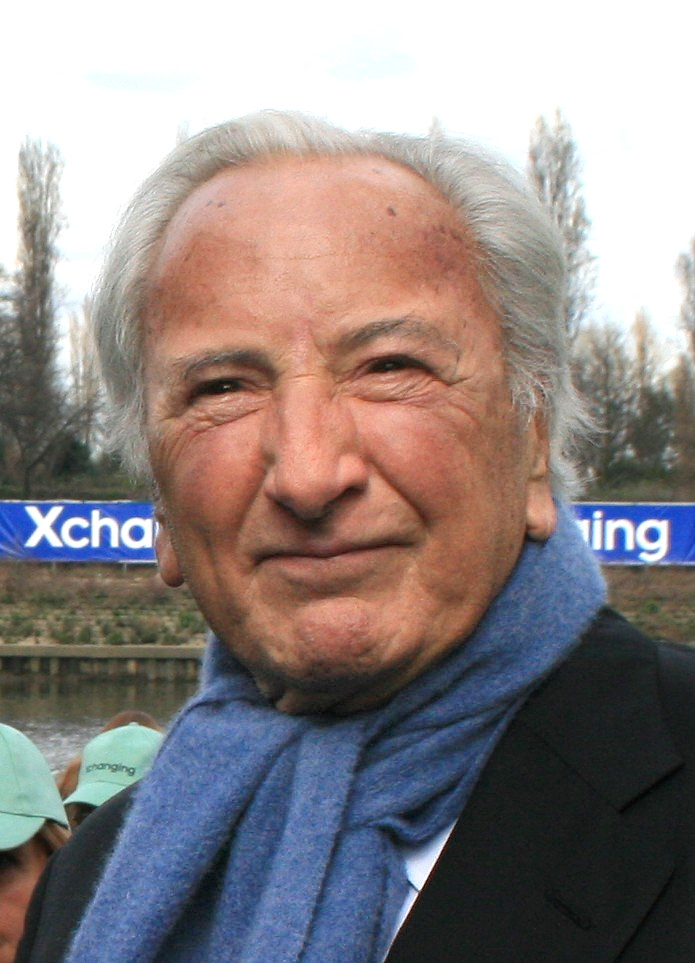
Michael Winner was a name synonymous with sharp wit, uncompromising opinions, and a prolific output across multiple creative fields. Far more than just a film director, Winner meticulously crafted a diverse career that spanned decades, allowing him to accumulate an impressive personal fortune. At the time of his passing in January 2013 at the age of 77, his Michael Winner's $45 Million Net Worth: A Director's Legacy stood as a testament to his multifaceted talents and astute business sense.
Born in Hampstead, London, England, in October 1935, Winner was a unique figure who burst onto the scene and never truly faded from public consciousness. His ability to navigate and succeed in disparate industries—from filmmaking to food criticism and authorship—was key to building his substantial wealth. Let's delve into the various facets of his professional life that contributed to his impressive financial legacy.
The Maverick Filmmaker: A Legacy of Action and Controversy
Perhaps the most prominent pillar of Michael Winner's fortune was his extensive and often controversial career as a film director and producer. His filmography is packed with action-packed thrillers and dramas that frequently pushed boundaries, earning him both critical scorn and commercial success. Winner directed and/or produced over 30 films, many of which became cult classics or box office hits, solidifying his reputation as a formidable force in the industry.
Among his most notable works are:
- The Death Wish Series: Winner directed the first three installments of this iconic vigilante franchise (Death Wish, Death Wish II, Death Wish 3) starring Charles Bronson. These films, while polarizing, were hugely successful and cemented his signature style of gritty, no-holds-barred storytelling.
- Collaborations with Charles Bronson: Beyond Death Wish, Winner frequently collaborated with Bronson on other action films such as The Mechanic, Chato's Land, Scorpio, and The Stone Killer. This fruitful partnership proved incredibly lucrative for both men.
- Early Career Ventures: Before his Hollywood success, Winner cut his teeth on British productions like Play It Cool, The Cool Mikado, West 11, and The System, showcasing his early versatility across genres from musicals to social dramas.
- Diverse Storytelling: His repertoire also included films like The Nightcomers (a psychological thriller starring Marlon Brando), The Big Sleep (a remake of the classic noir), and even comedies like Won Ton Ton, the Dog Who Saved Hollywood.
His films were known for their distinctive style, often combining acerbic wit with intense action sequences. While not always lauded by critics, Winner's movies resonated with audiences, generating significant box office revenue and, by extension, substantial earnings for him as a producer and director. His prolific output meant a steady stream of income and the accumulation of intellectual property rights, forming the bedrock of his Michael Winner: Unpacking the $45M Net Worth of the Death Wish Director.
Beyond the Camera: Winner's Foray into Gastronomy and Journalism
Michael Winner was a man of insatiable appetites, both for life and for good food. This passion led him to cultivate a highly successful second career as a restaurant critic for The Sunday Times. His weekly column became legendary for its candid, often scathing, and always entertaining reviews. Winner didn't just critique food; he critiqued the entire dining experience, from service to ambiance, with an unparalleled sharpness.
This role was far more than a hobby; it was a significant brand-building exercise and another stream of income. His distinctive voice and public persona as a no-nonsense arbiter of taste made him a household name beyond film buffs. His contributions to gastronomy extended to authoring several popular books based on his dining experiences:
- Winner's Dinners: The Good, the Bad and the Unspeakable
- The Winner Guide to Dining and Whining
- Unbelievable! My Life in Restaurants and Other Places
- Winner's Dinners: The Restaurant & Hotel Guide
These books capitalized on his media presence and offered readers an extended taste of his unique critical style. By diversifying his career into journalism and publishing within the culinary world, Winner broadened his audience, cemented his celebrity status, and added considerable financial weight to his portfolio. It's a prime example of how a strong personal brand can be leveraged across different media to generate multiple revenue streams.
The Prolific Pen: Author, Humorist, and Chronicler
Not content with directing films and critiquing restaurants, Michael Winner also proved to be a prolific author, writing numerous books that showcased his diverse interests and sharp intellect. This literary output was another crucial component of his wealth accumulation. His books ranged from autobiographical accounts to humorous collections and even crime stories, demonstrating a versatility that mirrored his film career.
His authored works include:
- Memoirs and Autobiographies: Winner Takes All: A Life of Sorts and Tales I Never Told offered readers intimate glimpses into his life, career, and encounters with countless celebrities. These books allowed him to control his narrative and share his unique perspective directly with his audience.
- Culinary Guides: In addition to his "Winner's Dinners" series, he also wrote The Harry's Bar Cookbook and even a humorous diet book, The Fat Pig Diet, further cementing his gastronomic authority.
- Humor and True Crime: Displaying his lighter side, he penned Michael Winner Hymie Joke Book, and for those interested in the darker aspects of life, Michael Winner's True Crimes.
- Film Analysis: Ever the cinephile, he also contributed to film literature with books like The Films of Michael Winner and Six English Filmmakers, offering insights into his craft and his peers.
Each book represented an additional stream of royalties and intellectual property. Winner understood the power of branding and intellectual property, consistently expanding his reach and monetizing his distinctive personality through various forms of media. His literary endeavors not only provided income but also reinforced his image as a cultural commentator, enriching his overall public persona.
Unpacking the Michael Winner Net Worth: A Holistic View
The impressive Michael Winner: Unpacking the $45M Net Worth of the Death Wish Director wasn't built on a single success but rather on a synergistic combination of his talents. His ability to transition seamlessly between high-profile roles—director, producer, editor, screenwriter, actor (albeit in smaller capacities), food critic, author, and media personality—created a robust financial ecosystem around his personal brand.
Key takeaways from Winner's financial success:
- Diversification is Key: Winner didn't put all his eggs in one basket. When film projects waned, his income from journalism and book sales continued. This diversification provided financial stability and continuous relevance.
- Personal Brand Leverage: He masterfully used his public persona – his acerbic wit and strong opinions – to create demand for his work across all his ventures. His celebrity status amplified the reach of his films, reviews, and books.
- Prolific Output: Across all fields, Winner was incredibly prolific. More films, more articles, more books meant more opportunities for revenue and sustained presence in the public eye.
- Intellectual Property Ownership: As a director, producer, and author, Winner likely retained significant ownership and royalty rights to his creations, which continued to generate income long after their initial release.
His financial acumen was as sharp as his wit, allowing him to capitalize on every facet of his creative and critical genius. It wasn't just about making money; it was about building a lasting legacy that intersected entertainment, culture, and commentary.
Michael Winner's $45 million net worth is a testament to a career built on audacity, talent, and relentless diversification. He was a force of nature who carved out multiple successful paths, each reinforcing the other. From the gritty streets of his Death Wish films to the pristine dining rooms he critiqued and the pages of his many books, Winner left an indelible mark. His career trajectory offers an inspiring example of how passion, coupled with a strategic approach to brand building and income diversification, can lead to extraordinary success and a significant financial legacy.
